Home Improvement
Safe and Efficient Residential Electrical Tips

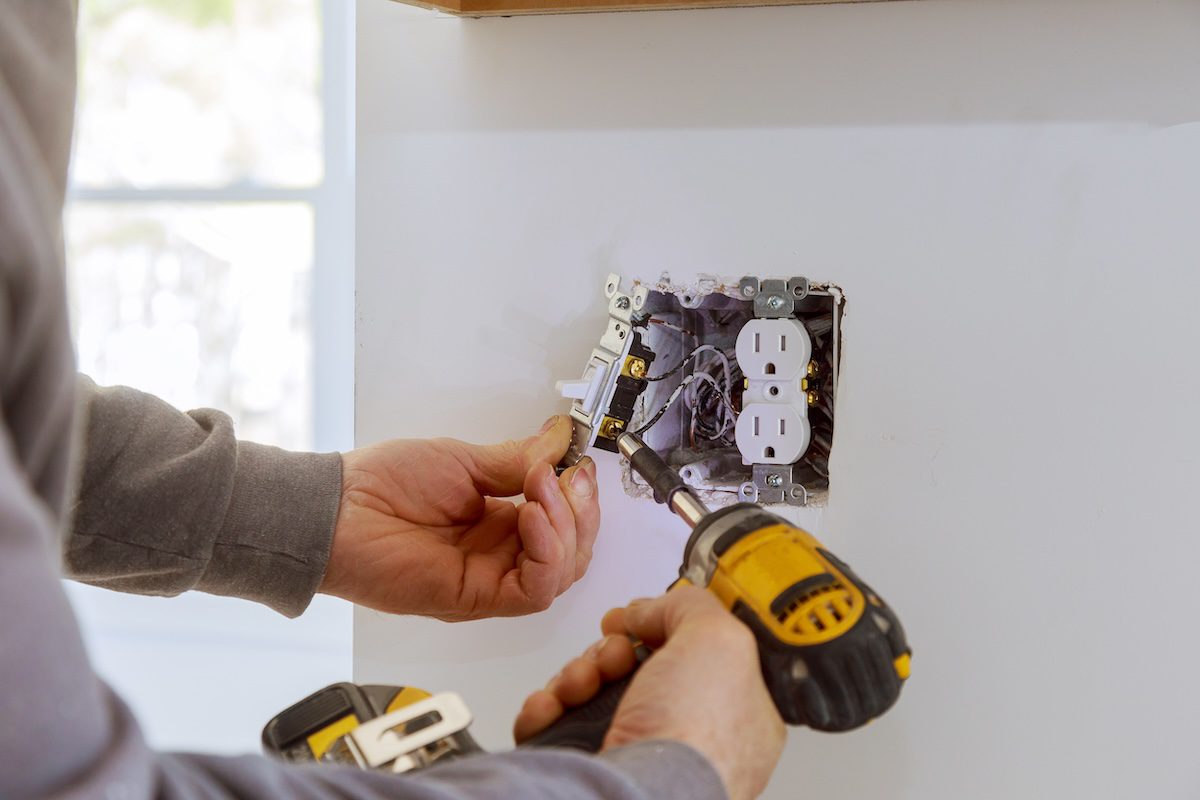
Electrical safety and efficiency are vital for any home, offering peace of mind while protecting both your family and property. Addressing common risks, maintaining your electrical systems, and optimizing your energy usage help prevent hazards and can lead to long-term savings. For those seeking advanced protection from outages, exploring home generators Great Falls VA, can add an extra layer of security and comfort.
Modern homes rely on increasingly complex electrical systems. Understanding the basics of essential safety can reduce electrical fire risks, minimize energy waste, and ensure that your appliances and devices operate safely. By taking a proactive approach, you can optimize both your electrical system’s reliability and efficiency for years to come.
Install GFCI Outlets
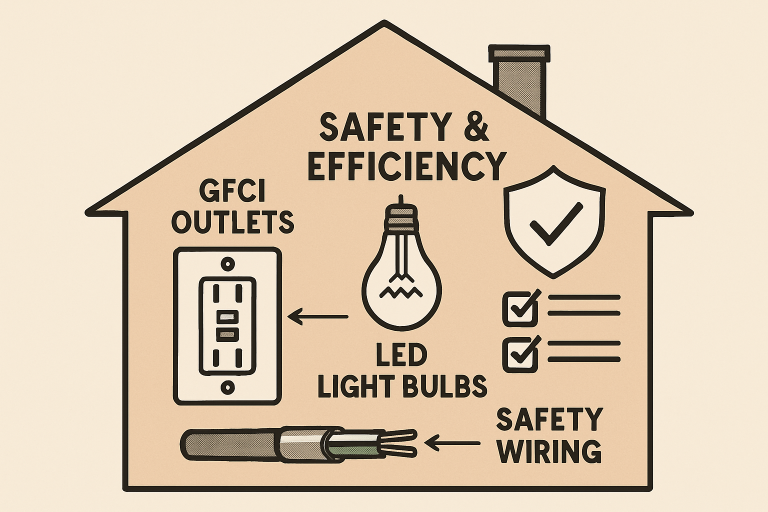
GFCI (Ground Fault Circuit Interrupter) outlets are essential for safety in areas where moisture is present, including bathrooms, kitchens, garages, and outdoor spaces. These smart outlets detect imbalances in the current and shut down instantly to prevent electrical shock. Regular testing, performed by pressing the “test” and “reset” buttons, ensures reliable operation. Upgrading older standard outlets is a key step in household safety. For more information on the importance of GFCI outlets, visit the National Fire Protection Association.
Replace Damaged Wiring
Worn, frayed, or otherwise damaged electrical wiring can pose significant risks, including electrical fires and electric shock. Inspect all visible wiring and appliance cords around your home on a regular basis. If you spot damage—such as exposed copper or burnt insulation—replace the wire or cord immediately. Never use tape as a long-term repair. If any problems persist or seem widespread, consult a licensed electrician, as older homes may be at higher risk for hidden electrical hazards. A good reference is the U.S. Fire Administration’s recommendations on residential electrical fire safety.
Avoid Overloading Circuits
Overloading circuits is a common yet preventable cause of residential electrical fires. Plugging too many high-wattage devices—such as kitchen appliances or space heaters—into the same circuit can cause overheating that is potentially dangerous. Distribute appliances and electronics across walls and rooms. An overloaded circuit frequently leads to tripped breakers. If you notice this happening, consult an electrician to assess your system’s load capacity and consider upgrading your electrical panel.
Use Extension Cords Sparingly
Extension cords are designed for temporary use only. Relying on them for permanent electricity routes increases the risk of overheating, tripping hazards, and even fire. If you find yourself depending on extension cords or multiple outlet strips, consider having additional outlets installed in high-use areas for safer and more convenient access. Only use extension cords that are rated for the correct amperage of the device, and never run them under rugs or carpeting.
Upgrade to LED Lighting
Switching to LED bulbs throughout your home is one of the easiest ways to boost electrical efficiency significantly, using less energy than incandescent and halogen options and generating far less heat. This not only lowers your utility bills but also reduces the load on your electrical circuits. Moreover, LEDs have a significantly longer life expectancy, resulting in fewer replacements and less waste. According to Energy.gov, LEDs use 75% less energy and last 25 times longer than incandescent lighting.
Schedule Regular Inspections
Regular inspections by a certified electrician—at least once every year or two—are crucial for detecting hazards such as outdated wiring, overloaded circuits, and malfunctioning breakers early. An electrician can also ensure that your electrical system complies with current safety codes. This preventive “check-up” is especially important in older homes, where wiring and components may have aged or deteriorated over time. For advice on finding a qualified electrician, consult the NFPA’s home electrical safety tips.
Educate Household. In contrast,
Empowering everyone in your household with basic knowledge of electrical safety can prevent accidents. Ensure that all family members, including children, are aware of the dangers of mixing electricity and water. Recognize the warning signs of electrical problems, such as flickering lights or hot outlets, and understand that it is not safe to tamper with electrical panels or outlets. Hold regular safety discussions and keep emergency contact numbers readily available, just in case.
Consider Electrical Upgrades
If your home is outfitted with an old circuit breaker panel, lacks surge protection, or you’re adopting new smart home technology, consider electrical upgrades to enhance both efficiency and safety. Whole-home surge protectors can help safeguard expensive electronics from voltage spikes, while upgraded panels and wiring can accommodate the needs of modern high-powered appliances and devices. Investing in these upgrades not only enhances peace of mind but also increases the value and functionality of your home.
Taking proactive measures to maintain your home’s electrical system is vital for safety, efficiency, and financial savings. Regular inspections, smart upgrades, and diligent daily habits guard against hazards and future-proof your living space, ensuring you and your family enjoy safe and efficient use of electricity for years to come.



Optimizing Server Room Efficiency With Smart Rack System Choices

Top Skills Every Professional Security Guard Needs in Today’s World

Risks Horse Owners Face: Everyday Challenges and Smart Protection

ATFbooru: A Deep Dive into the NSFW Imageboard Phenomenon

MyPascoConnect: Streamlining Access to Education Tools

ArtofZio: A Fusion of Expression, Identity, and Digital Innovation
-
 News9 months ago
ATFbooru: A Deep Dive into the NSFW Imageboard Phenomenon
-
 Education9 months ago
MyPascoConnect: Streamlining Access to Education Tools
-
 Blog9 months ago
ArtofZio: A Fusion of Expression, Identity, and Digital Innovation
-

 Education9 months ago
Exploring Childmud.net: A Comprehensive Guide for Parents and Educators
-

 Tech9 months ago
SEO Experts at Garage2Global: Driving Digital Growth with Precision
-

 News9 months ago
Red Lobster and TGI Fridays Closing: What It Means for Casual Dining in America
-

 Tech9 months ago
Kaliscan: Revolutionizing Security and Surveillance with AI-Driven Intelligence
-

 News9 months ago
150 Celsius to Fahrenheit: A Comprehensive Guide