News
ATFbooru: A Deep Dive into the NSFW Imageboard Phenomenon
Published
9 months agoon
By
Adams
In the expansive world of internet subcultures and fandoms, few platforms capture the niche yet passionate corners of the web like imageboards. Among these, ATFbooru has gained attention for its unique approach to adult-themed fan content. This article explores ATFbooru’s origins, purpose, user experience, community dynamics, and its place within the broader context of digital culture.
What is ATFbooru?
ATFbooru is a user-generated imageboard based on the booru engine — a platform commonly used for uploading and tagging anime-style images. The “booru” concept, originating from sites like Danbooru and Gelbooru, allows users to upload content with detailed tagging systems that make images easily searchable by character, theme, or specific elements. The acronym “ATF” in ATFbooru is commonly interpreted by its users as “Adult Themed Fandom,” indicating its focus on NSFW (Not Safe for Work) or adult-oriented art.
Unlike broader booru platforms, ATFbooru specializes in content that features adult versions of characters from pop culture, including cartoons, anime, video games, and web comics. The platform is community-driven, with users contributing not only content but also discussions, moderation, and tag maintenance.
How ATFbooru Works
ATFbooru operates like other booru platforms:
- Image Uploads: Registered users can upload images, usually fan-created adult art. These images must adhere to the site’s rules, which often include restrictions on certain types of content to remain compliant with international laws and ethical standards.
- Tagging System: Every image is tagged with descriptors, including characters, franchises, artist names, fetishes, and more. This powerful tagging system allows users to search with precision — whether they’re looking for “Velma from Scooby-Doo” or “rule 34 Pokémon art.”
- User Accounts: While browsing is available to the public, uploading and advanced interactions like commenting or flagging typically require a user account.
- Moderation: ATFbooru relies heavily on community moderation. Senior users or site administrators review flagged content to ensure guidelines are followed.
The Role of Rule 34 in ATFbooru’s Popularity
A significant reason behind ATFbooru’s popularity is its alignment with the infamous internet meme, Rule 34 — “If it exists, there is porn of it.” ATFbooru is essentially a repository for Rule 34 content, driven by user curiosity, humor, and creative expression.
This rule has become a cornerstone of internet fandom, and ATFbooru provides a centralized platform where artists and consumers alike can share and find adult art that reflects this principle. The platform celebrates both obscure and mainstream characters, transforming innocent or iconic figures into subjects of adult-themed reimaginings.
Why ATFbooru Appeals to Its Users
There are multiple reasons why users are drawn to ATFbooru:
- Niche Appeal: ATFbooru serves a hyper-specific interest group that many mainstream platforms avoid. For fans who enjoy adult reimaginings of popular characters, it provides an inclusive and unrestricted outlet.
- Creative Freedom: Artists can share content that might not be permitted on other platforms like DeviantArt or even Twitter/X, which have more stringent content policies.
- Anonymity and Community: Like most booru platforms, ATFbooru allows for relative anonymity. Users can engage without fear of judgment, which is crucial for people exploring niche interests.
- Organized Browsing: The tag system helps avoid the chaos found on other adult content websites. Users can find exactly what they are looking for, without wading through unrelated material.
Ethical and Legal Considerations
ATFbooru, like other NSFW boorus, operates in a gray area. The platform must continuously adapt to changing legal standards, especially regarding:
- Copyright: While fan art may be considered transformative, it still uses characters that are often protected intellectual property. Most rights holders do not pursue legal action unless content is sold or used inappropriately, but it remains a risk.
- Content Restrictions: Content featuring underage-looking characters, even in drawn form, is controversial and often illegal in certain countries. ATFbooru has policies to restrict or ban such content, but enforcement can be inconsistent due to the nature of anonymous uploads.
- Consent and Representation: Ethical debates arise about depictions of real people (e.g., celebrities) or sensitive topics in NSFW artwork. ATFbooru typically bans real-person pornographic content to avoid privacy violations.
Community and Culture
The ATFbooru community is surprisingly organized. Frequent contributors include amateur and professional digital artists who often use the platform to share exclusive NSFW content. Many also include links to their personal websites or Patreon accounts, allowing them to monetize their creations indirectly.
Users often contribute to community forums, engage in tag edits, request specific content, or help moderate problematic uploads. While the tone can be irreverent and comedic, there is an underlying respect for creative expression.
There’s also a layer of internet humor and meta-commentary in ATFbooru’s content. Many images parody current events, fandom controversies, or meme culture, making it not just a repository of adult art but a reflection of internet zeitgeist.
Controversies and Criticisms
Despite its popularity within certain communities, ATFbooru has not been free of criticism:
- Accessibility to Minors: Like many adult websites, the only age gate is a disclaimer — meaning underage users could theoretically access the platform.
- Moderation Challenges: Due to the high volume of uploads, it can be difficult to catch rule-breaking content promptly.
- Normalization of Extreme Content: Some critics argue that platforms like ATFbooru can normalize or desensitize users to extreme fetishes or taboos.
The site’s operators and moderators do take steps to manage such issues, but the challenges are inherent to any large, user-generated adult content site.
Conclusion: The Internet’s Taboo Playground
ATFbooru is emblematic of a broader internet trend — where niche interests find dedicated communities, and content outside the mainstream thrives. It serves as both an artistic outlet and a digital curiosity cabinet for adult-themed fan content. While certainly not for everyone, ATFbooru offers a case study in how the internet supports even the most unexpected forms of creativity and connection.
As the internet continues to evolve, so will platforms like ATFbooru — raising questions about censorship, artistic freedom, and the boundaries of digital expression.
FAQs about ATFbooru
Q1: Is ATFbooru free to use?
Yes, the platform is completely free for browsing. Users can create an account to upload or interact further.
Q2: Is ATFbooru legal?
It operates in a legal gray zone depending on the country. It attempts to comply with international laws by banning certain types of content.
Q3: Can artists promote themselves on ATFbooru?
Yes, many artists link to their Patreon, Gumroad, or personal websites in image descriptions.
Q4: Is there a way to block certain tags or content?
Yes, registered users can customize blacklists to filter out tags they do not wish to see.
Q5: Is ATFbooru the same as Rule34.xxx or Gelbooru?
No, but it functions similarly. Each booru has its own community, focus, and rules.
If you are curious about fan communities, internet subcultures, or the evolution of adult content platforms, ATFbooru is a fascinating — if not provocative — subject worth exploring with an open mind and responsible internet practices.
You may like
News
Top Skills Every Professional Security Guard Needs in Today’s World
Published
4 weeks agoon
March 18, 2026By
Adams
Key Takeaways
- Modern security guards require advanced communication skills for reporting, teamwork, and public interaction.
- Technological proficiency with surveillance, access control, and reporting systems is essential.
- Situational awareness and attention to detail enable proactive threat detection.
- Conflict resolution and de-escalation techniques maintain safety and prevent incidents.
- Physical fitness and stamina ensure readiness for emergencies and active duties.
- Legal knowledge and ethical integrity guide appropriate actions and reduce liability.
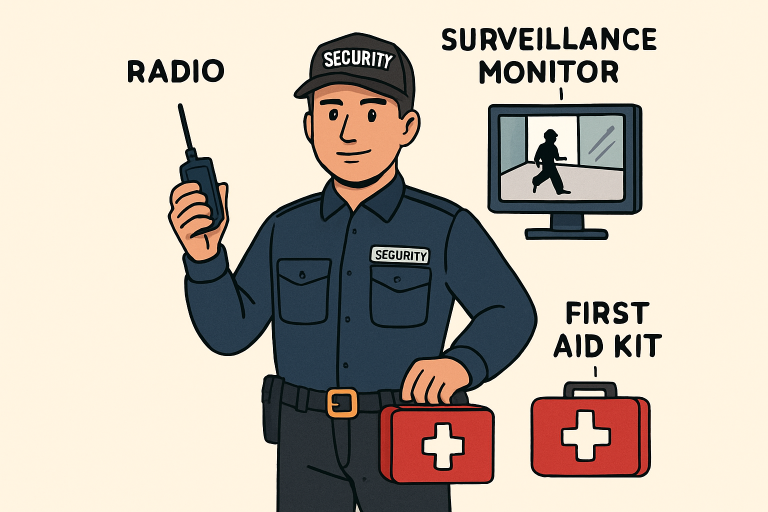
- Emergency preparedness and first aid equip guards to respond effectively to crises.
- Customer service orientation enhances public perception while maintaining security.
The profession of a security guard has undergone a dramatic change in recent years. Modern threats demand a blend of traditional vigilance and a suite of versatile skills. Whether monitoring a corporate office, a residential complex, or a bustling retail environment, today’s security guards must be far more than just authority figures. The ability to adapt to new technology, communicate clearly, and respond to emergencies is more essential than ever. If you are considering a trusted partner for on-site protection, look no further than armed security guard services Detroit.
Effective security services help deter crime and maintain order in a variety of settings. The responsibilities of today’s professionals extend beyond just observation. Security guards now collaborate closely with law enforcement, property managers, and business owners, playing an integral role in public safety and customer relations.
With increasing workplace pressures and evolving threat landscapes, the skill set required for security personnel continues to expand. Employers want guards who are not just physically capable but also possess sound judgment, critical thinking, and ethical integrity. Mastery of these core competencies sets exceptional security professionals apart from the rest.
This article explores the top skills that every modern security guard needs to develop and refine to succeed in today’s demanding environments, ensuring they are prepared to handle a wide array of situations.
Advanced Communication Skills
Clear communication remains a fundamental requirement for security professionals. Oral and written communication skills allow guards to accurately report incidents, share critical details, and work seamlessly with colleagues or emergency responders. Active listening is crucial, allowing personnel to quickly comprehend instructions and client needs. Guards must also be skilled at interpreting non-verbal cues, helping them identify potential threats or tensions before they escalate. These attributes form the backbone of effective teamwork and public interaction, especially when delivering instructions in emergencies or diffusing tense situations.

Technological Proficiency
As physical security merges with digital oversight, proficiency in technology is a must. Security guards now need to operate and troubleshoot sophisticated surveillance cameras, electronic access control systems, and alarm systems. Efficient use of these technologies improves threat detection and response times. Staying current with new advancements through ongoing training ensures guards deliver optimal protection and adaptability, regardless of the latest innovations.
In addition to standard security hardware, familiarity with mobile communications, body-worn cameras, and automated incident reporting software can dramatically enhance performance and accountability. This focus on technology reflects a broader trend in the security industry, where digital tools are increasingly integral in both prevention and investigation efforts.
Situational Awareness and Attention to Detail
Successful security professionals possess a keen awareness of their environment and maintain vigilance at all times. This means not only noticing suspicious behavior but also understanding the normal rhythms of the premises assigned to them. Strong attention to detail allows guards to spot violations or risks quickly, from unauthorized entries to misplaced objects that may indicate a potential threat. Ongoing training involving real-world scenarios can enhance both observation and judgment skills, making security guards more proactive and resilient.
Conflict Resolution and De-escalation Techniques
Confrontations are an inevitable part of a security guard’s day-to-day activities, especially in high-traffic commercial settings. The ability to recognize early signs of conflict and use de-escalation techniques can prevent incidents from escalating into emergencies. Techniques such as maintaining a calm tone, active listening, and using non-threatening body language are invaluable for quickly and safely diffusing tension. Well-trained guards help maintain a peaceful environment, allowing businesses and public spaces to function smoothly even during stressful situations.
Physical Fitness and Stamina
A high degree of physical fitness is essential for anyone working in security. Guard duties can include long periods of standing, walking, or patrolling, intervening in physical altercations, or responding quickly to alarms. A physically fit guard is less prone to injury and better able to handle emergencies or detain suspects if necessary. Employers expect their staff to undertake regular physical training to ensure ongoing readiness and safety.
Legal Knowledge and Ethical Integrity
Understanding the legal frameworks governing security operations is critical. Guards must know the boundaries of their authority, relevant local laws, and privacy regulations, and understand the appropriate use of force. Ethics play an equally important role, requiring guards to act with integrity and impartiality in every scenario. Ongoing legal training helps professionals perform their duties without violating clients’ or the public’s rights, thereby preventing liabilities for both themselves and their employers.
Emergency Preparedness and First Aid
Security guards are often the first to arrive on the scene during emergencies. They must be well-versed in emergency protocols, including evacuation procedures, fire response, and lockdown drills. Basic first aid knowledge, such as CPR and the correct use of AED devices, is required to stabilize individuals until specialized help arrives. Frequent training sessions and participation in emergency simulations help keep skills and responses sharp.
Customer Service Orientation
In many environments, security guards are the first representatives visitors interact with. Providing excellent customer service, balancing warmth and authority, can significantly enhance the perception of an organization’s security posture. Skills in conflict prevention, empathy, and courteous communication contribute to a more positive user experience and reduce the likelihood of misunderstandings or escalations.
Final Thoughts
Security today is about so much more than standing watch. To succeed, professional security guards must cultivate an ever-evolving combination of technical, physical, and interpersonal skills. Mastering these abilities not only strengthens the level of protection provided but also adds substantial value to clients and communities alike. Investing in continuous learning and professional development remains the cornerstone of an effective security workforce in our current landscape.
News
Risks Horse Owners Face: Everyday Challenges and Smart Protection
Published
1 month agoon
March 12, 2026By
Adams
Owning a horse is a deeply rewarding experience that brings joy, companionship, and a sense of accomplishment. Yet it also comes with practical and financial challenges. From unpredictable medical emergencies to rapidly shifting environmental threats, horse owners need to proactively manage a range of risks to keep their equine companions healthy and safe. With the realities of rising costs and new disease pressures, protecting a horse means thinking ahead, financially preparing, and considering specialized protections such as horse loss of use insurance. Awareness and preparedness are the horse owner’s best allies. Navigating health risks, unexpected expenses, and disease-prevention strategies is integral to successful horse care. By understanding these risks and implementing effective strategies, owners put themselves in a strong position to offer their horses a high-quality of life while also protecting their investment and peace of mind.
Health Risks and Disease Prevention
Horses are vulnerable to a variety of health issues, including colic, lameness, respiratory infections, and contagious illnesses. For example, colic remains a primary medical concern among horse owners. Statistics indicate that while the majority of owners would pay up to $5,000 for necessary emergency surgery, the true cost of such procedures can often be significantly higher, leaving owners financially and emotionally strained. Proactive health management is key: regular veterinary check-ups, vaccinations, and a nutritionally balanced diet prevent many issues from arising in the first place. Immediate attention to symptoms is essential to reduce the likelihood of escalation and additional costly intervention. Additionally, preventing infectious diseases such as equine influenza or strangles requires vigilant monitoring and awareness of the risks at all times, particularly when traveling with horses or attending equestrian events. Diligence in following veterinary guidelines and maintaining sanitary environments can prevent many common afflictions from gaining a foothold within a herd.
Financial Challenges and Insurance
The costs associated with caring for a horse extend far beyond the initial purchase price and daily upkeep. Emergency veterinary bills, specialist care, and long-term medication can quickly add up, putting financial pressure on owners. Alarmingly, industry data suggests that only about 14% of horse owners maintain a dedicated emergency fund, while about 80% do not insure their animals. This lack of preparation makes it difficult for owners to make important medical decisions during crises. Establishing an emergency savings account and evaluating insurance options are practical steps owners can take to better manage these risks. Policies such as major medical, mortality, and loss-of-use insurance can make a significant difference when the unexpected occurs. Planning not only protects the owner’s finances but also ensures timely and appropriate care decisions for the horse’s well-being. If you would like more information on equine insurance options, you can consult Stable Cover’s comprehensive resources.

Biosecurity Measures
Attending horse shows, clinics, and community events allows for socialization and training, but also introduces the risk of disease transmission. A notable study revealed that more than 90% of horse owners see only a minor risk of disease at such gatherings. This false sense of security can lead to lax biosecurity practices and outbreaks of contagious illnesses such as equine herpesvirus or strangles. Effective biosecurity practices are simple but powerful. Isolate new arrivals and those showing signs of illness; thoroughly clean and disinfect equipment that comes into contact with different horses; and monitor health closely, especially after events where exposure may have occurred. Even basic steps such as hand washing and changing clothes after handling sick horses can play a major role in halting the spread of pathogens within a barn or at events.
Climate Change Impacts
As environmental patterns shift, horse owners face new challenges. The rise in extreme weather events, from wildfires to floods, directly threatens the safety and wellness of horses. Changes in temperature and precipitation patterns can also increase the prevalence of parasites and vector-borne diseases previously unseen in certain regions. Owners must remain vigilant in adapting their management practices and staying informed about emerging risks.
Developing a comprehensive emergency evacuation plan is critical when facing natural disasters. Updating barn designs to withstand harsher weather, investing in fire-resistant materials, and ensuring access to clean water during droughts or extreme events are all proactive steps. Staying up to date with recommendations from national and state veterinary organizations or agencies like USDA Animal and Plant Health Inspection Service gives owners timely information on threats in their area.
Conclusion
The journey of horse ownership is as rewarding as it is complex. Being proactive about health risks, budgeting for emergencies, prioritizing biosecurity, and staying responsive to climate-related challenges are all part of responsible care. By embracing continued education and advanced planning, horse owners can navigate everyday challenges and emerging risks, ensuring their animals’ safety, security, and long, healthy lives.
News
Sustainable Practices in Scrap Metal Recycling
Published
2 months agoon
February 14, 2026By
Adams
Key Takeaways
- Scrap metal recycling is essential for resource conservation, pollution reduction, and sustainability.
- Advanced technologies like AI, robotics, XRF, and LIBS improve sorting accuracy, recovery rates, and operational efficiency.
- Urban mining recovers metals from electronics, vehicles, and buildings, reducing reliance on traditional mining.
- Compliance with regulations ensures environmental protection, worker safety, and public trust.
- Recycling significantly reduces energy use and carbon emissions, especially for metals like aluminum.
- Community engagement enhances participation, creates jobs, and promotes economic growth.
- Challenges include market volatility, contamination, and technological needs; a circular economy approach supports long-term sustainability.
Scrap metal recycling stands at the forefront of efforts to promote environmental sustainability and conserve vital resources. As industries seek to reduce their carbon footprints and conserve natural resources, the importance of efficient recycling processes becomes increasingly clear. Integrating advanced technologies helps optimize operations, while engagement with local communities sparks lasting environmental change. Additionally, leveraging specialized services like sludge dewatering equipment rental Spring, TX is crucial for improving processing efficiency and reducing waste in recycling facilities.
With the growing demand for metals across various sectors, adopting sustainable solutions is not just an option but a necessity. The recycling industry has evolved rapidly, offering innovative methods that minimize ecological impact and drive economic benefits. By focusing on energy efficiency, regulatory compliance, and advanced sorting techniques, today’s recycling initiatives help create a cleaner, more sustainable future. These developments empower industries to meet production requirements while significantly mitigating environmental harm.
Advancements in Recycling Technologies
The integration of modern technology into scrap metal recycling facilities has drastically improved operational efficiency and environmental outcomes. Artificial intelligence (AI) and robotics now augment the sorting process, providing greater accuracy in identifying and separating different metals. This precision reduces cross-contamination, ensures higher-quality outputs, and increases the proportion of materials that can be effectively reused. Furthermore, the adoption of X-ray fluorescence (XRF) and laser-induced breakdown spectroscopy (LIBS) allows recyclers to determine the specific composition of scrap metals, optimizing recovery rates for valuable alloys and rare elements.
The influence of digital technologies also extends to process management and resource optimization. Smart sensors and data analytics platforms help recycling operators monitor production metrics, identify inefficiencies, and streamline energy use. Together, these advancements are making recycling not only more sustainable but also more profitable for operators committed to adopting environmentally friendly business models.
Urban Mining: Tapping into City Resources
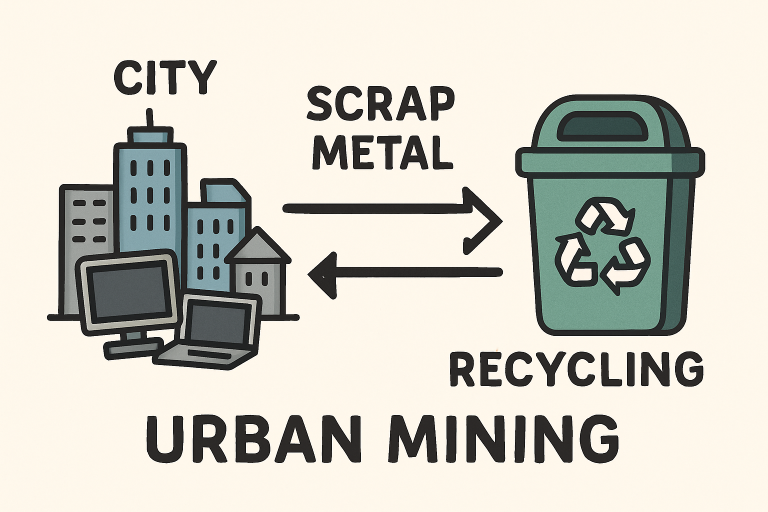
Urban mining is an emerging trend that enables the recovery of valuable metals from discarded electronics, vehicles, buildings, and infrastructure within cities. Instead of extracting resources through traditional mining, which often disturbs natural habitats and requires significant energy, urban mining focuses on reclaiming metals from end-of-life products. Cities essentially become above-ground mines, providing a renewable supply of metals while reducing the environmental impact of raw-material extraction.
Countries like Taiwan have taken a leading role in this area, with companies diverting a large portion of their raw materials from landfill through advanced urban mining practices. For example, Solar Applied Materials Technology Corporation sources up to 80 percent of its raw materials from recycled waste streams to support the semiconductor sector and circular economic growth. This shift demonstrates the scalability and environmental benefits of urban mining in densely populated area
Regulatory Frameworks and Environmental Safeguards
To protect the environment and promote safe working conditions, the scrap metal recycling industry is subject to stringent regulations and international agreements. One notable example is the Hong Kong International Convention for the Safe and Environmentally Sound Recycling of Ships, which came into effect in June 2025. This framework establishes legal requirements for the construction, operation, and decommissioning of ships, ensuring that recycling processes minimize risks to both people and the environment.
Environmental regulations extend to air and water quality controls, material handling standards, and safe waste disposal practices. Compliance not only reduces environmental harm but also fosters greater public trust in recycling companies. By adhering to these frameworks, facilities can ensure that their practices prioritize community and ecosystem health.
Energy Efficiency and Carbon Footprint Reduction
One of the key advantages of recycling scrap metal is its substantial reduction in energy use compared to primary metal production. For instance, recycling aluminum can cut energy use to around 5 percent of what it takes to produce it from raw ore. This efficiency reduces greenhouse gas emissions and decreases reliance on mining and extraction processes that are both costly and damaging to ecosystems.
Adopting energy-efficient processes and equipment is fundamental for maximizing the sustainability of recycling operations. Investing in new technologies, energy audits, and improved resource management systems helps recyclers further minimize their environmental footprint.
Community Engagement and Economic Benefits
Strong community involvement is crucial to the success of recycling programs. Initiatives led by nonprofit organizations, such as The Recycling Partnership, play a pivotal role in increasing collection rates and reducing contamination in recycling streams. These groups encourage curbside programs, educate residents, and coordinate with local governments to enhance participation and environmental stewardship.
Recycling not only conserves resources but also stimulates local economies by creating jobs in processing, transportation, and related industries. As more communities embrace recycling and urban mining, new business opportunities and sustainable growth prospects continue to emerge.
Challenges and Future Directions
Despite these advances, the scrap metal recycling industry faces hurdles, including market volatility, contamination issues, and evolving technological needs. Price fluctuations for secondary metals can impact both processors and manufacturers, while contamination reduces the yield and quality of recycled materials. To remain resilient, the industry must prioritize research, invest in cleaner technologies, and advocate for supportive policies that encourage innovation and responsible recycling.
The adoption of a circular economy is central to these efforts. By continuously cycling materials through reuse, remanufacturing, and recycling, industries can minimize waste and reliance on virgin resources. This holistic approach ensures that sustainability remains at the core of metal production and consumption systems.
Final Thoughts
Sustainable scrap metal recycling practices are paramount for resource conservation, pollution reduction, and economic advancement. By integrating modern technologies, maintaining regulatory compliance, and championing public engagement, the industry is paving the way for a greener and more efficient future. As global demand for metals rises, only a dedicated commitment to innovative and responsible recycling will ensure this need is met reliably and sustainably.
Optimizing Server Room Efficiency With Smart Rack System Choices
Top Skills Every Professional Security Guard Needs in Today’s World
Risks Horse Owners Face: Everyday Challenges and Smart Protection
ATFbooru: A Deep Dive into the NSFW Imageboard Phenomenon
MyPascoConnect: Streamlining Access to Education Tools
ArtofZio: A Fusion of Expression, Identity, and Digital Innovation
Trending
-
Education9 months agoMyPascoConnect: Streamlining Access to Education Tools
-
Blog9 months agoArtofZio: A Fusion of Expression, Identity, and Digital Innovation
-
Education9 months agoExploring Childmud.net: A Comprehensive Guide for Parents and Educators
-
Tech9 months agoSEO Experts at Garage2Global: Driving Digital Growth with Precision
-
News9 months agoRed Lobster and TGI Fridays Closing: What It Means for Casual Dining in America
-
News9 months ago150 Celsius to Fahrenheit: A Comprehensive Guide
-
Tech9 months agoKaliscan: Revolutionizing Security and Surveillance with AI-Driven Intelligence
-
Education9 months agoTraceLoans.com Student Loans: A Comprehensive Guide for Students