
News
Top Skills Every Professional Security Guard Needs in Today’s World

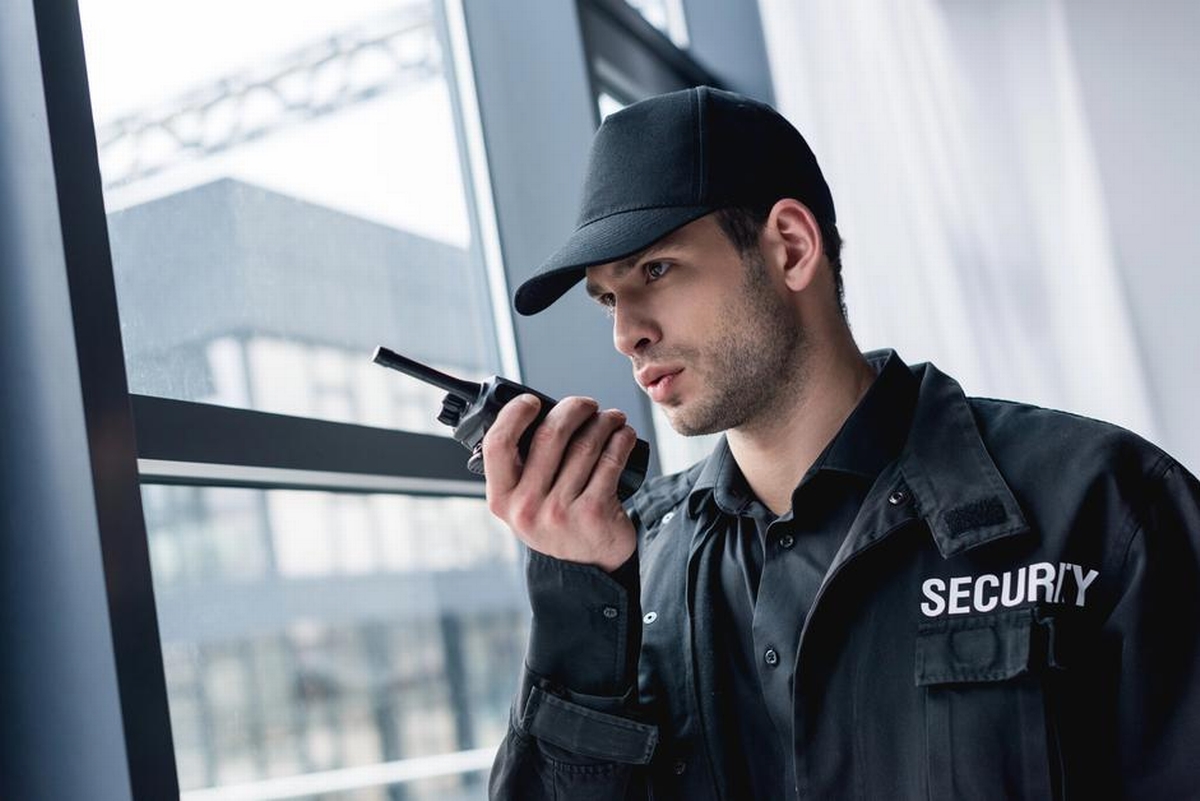
Key Takeaways
- Modern security guards require advanced communication skills for reporting, teamwork, and public interaction.
- Technological proficiency with surveillance, access control, and reporting systems is essential.
- Situational awareness and attention to detail enable proactive threat detection.
- Conflict resolution and de-escalation techniques maintain safety and prevent incidents.
- Physical fitness and stamina ensure readiness for emergencies and active duties.
- Legal knowledge and ethical integrity guide appropriate actions and reduce liability.
- Emergency preparedness and first aid equip guards to respond effectively to crises.
- Customer service orientation enhances public perception while maintaining security.
The profession of a security guard has undergone a dramatic change in recent years. Modern threats demand a blend of traditional vigilance and a suite of versatile skills. Whether monitoring a corporate office, a residential complex, or a bustling retail environment, today’s security guards must be far more than just authority figures. The ability to adapt to new technology, communicate clearly, and respond to emergencies is more essential than ever. If you are considering a trusted partner for on-site protection, look no further than armed security guard services Detroit.
Effective security services help deter crime and maintain order in a variety of settings. The responsibilities of today’s professionals extend beyond just observation. Security guards now collaborate closely with law enforcement, property managers, and business owners, playing an integral role in public safety and customer relations.
With increasing workplace pressures and evolving threat landscapes, the skill set required for security personnel continues to expand. Employers want guards who are not just physically capable but also possess sound judgment, critical thinking, and ethical integrity. Mastery of these core competencies sets exceptional security professionals apart from the rest.
This article explores the top skills that every modern security guard needs to develop and refine to succeed in today’s demanding environments, ensuring they are prepared to handle a wide array of situations.
Advanced Communication Skills
Clear communication remains a fundamental requirement for security professionals. Oral and written communication skills allow guards to accurately report incidents, share critical details, and work seamlessly with colleagues or emergency responders. Active listening is crucial, allowing personnel to quickly comprehend instructions and client needs. Guards must also be skilled at interpreting non-verbal cues, helping them identify potential threats or tensions before they escalate. These attributes form the backbone of effective teamwork and public interaction, especially when delivering instructions in emergencies or diffusing tense situations.
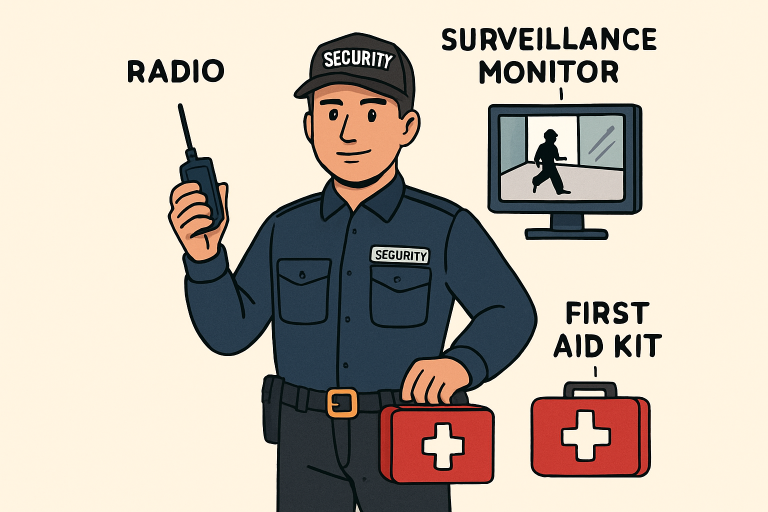
Technological Proficiency
As physical security merges with digital oversight, proficiency in technology is a must. Security guards now need to operate and troubleshoot sophisticated surveillance cameras, electronic access control systems, and alarm systems. Efficient use of these technologies improves threat detection and response times. Staying current with new advancements through ongoing training ensures guards deliver optimal protection and adaptability, regardless of the latest innovations.
In addition to standard security hardware, familiarity with mobile communications, body-worn cameras, and automated incident reporting software can dramatically enhance performance and accountability. This focus on technology reflects a broader trend in the security industry, where digital tools are increasingly integral in both prevention and investigation efforts.
Situational Awareness and Attention to Detail
Successful security professionals possess a keen awareness of their environment and maintain vigilance at all times. This means not only noticing suspicious behavior but also understanding the normal rhythms of the premises assigned to them. Strong attention to detail allows guards to spot violations or risks quickly, from unauthorized entries to misplaced objects that may indicate a potential threat. Ongoing training involving real-world scenarios can enhance both observation and judgment skills, making security guards more proactive and resilient.
Conflict Resolution and De-escalation Techniques
Confrontations are an inevitable part of a security guard’s day-to-day activities, especially in high-traffic commercial settings. The ability to recognize early signs of conflict and use de-escalation techniques can prevent incidents from escalating into emergencies. Techniques such as maintaining a calm tone, active listening, and using non-threatening body language are invaluable for quickly and safely diffusing tension. Well-trained guards help maintain a peaceful environment, allowing businesses and public spaces to function smoothly even during stressful situations.
Physical Fitness and Stamina
A high degree of physical fitness is essential for anyone working in security. Guard duties can include long periods of standing, walking, or patrolling, intervening in physical altercations, or responding quickly to alarms. A physically fit guard is less prone to injury and better able to handle emergencies or detain suspects if necessary. Employers expect their staff to undertake regular physical training to ensure ongoing readiness and safety.
Legal Knowledge and Ethical Integrity
Understanding the legal frameworks governing security operations is critical. Guards must know the boundaries of their authority, relevant local laws, and privacy regulations, and understand the appropriate use of force. Ethics play an equally important role, requiring guards to act with integrity and impartiality in every scenario. Ongoing legal training helps professionals perform their duties without violating clients’ or the public’s rights, thereby preventing liabilities for both themselves and their employers.
Emergency Preparedness and First Aid
Security guards are often the first to arrive on the scene during emergencies. They must be well-versed in emergency protocols, including evacuation procedures, fire response, and lockdown drills. Basic first aid knowledge, such as CPR and the correct use of AED devices, is required to stabilize individuals until specialized help arrives. Frequent training sessions and participation in emergency simulations help keep skills and responses sharp.
Customer Service Orientation
In many environments, security guards are the first representatives visitors interact with. Providing excellent customer service, balancing warmth and authority, can significantly enhance the perception of an organization’s security posture. Skills in conflict prevention, empathy, and courteous communication contribute to a more positive user experience and reduce the likelihood of misunderstandings or escalations.
Final Thoughts
Security today is about so much more than standing watch. To succeed, professional security guards must cultivate an ever-evolving combination of technical, physical, and interpersonal skills. Mastering these abilities not only strengthens the level of protection provided but also adds substantial value to clients and communities alike. Investing in continuous learning and professional development remains the cornerstone of an effective security workforce in our current landscape.

Owning a horse is a deeply rewarding experience that brings joy, companionship, and a sense of accomplishment. Yet it also comes with practical and financial challenges. From unpredictable medical emergencies to rapidly shifting environmental threats, horse owners need to proactively manage a range of risks to keep their equine companions healthy and safe. With the realities of rising costs and new disease pressures, protecting a horse means thinking ahead, financially preparing, and considering specialized protections such as horse loss of use insurance. Awareness and preparedness are the horse owner’s best allies. Navigating health risks, unexpected expenses, and disease-prevention strategies is integral to successful horse care. By understanding these risks and implementing effective strategies, owners put themselves in a strong position to offer their horses a high-quality of life while also protecting their investment and peace of mind.
Health Risks and Disease Prevention
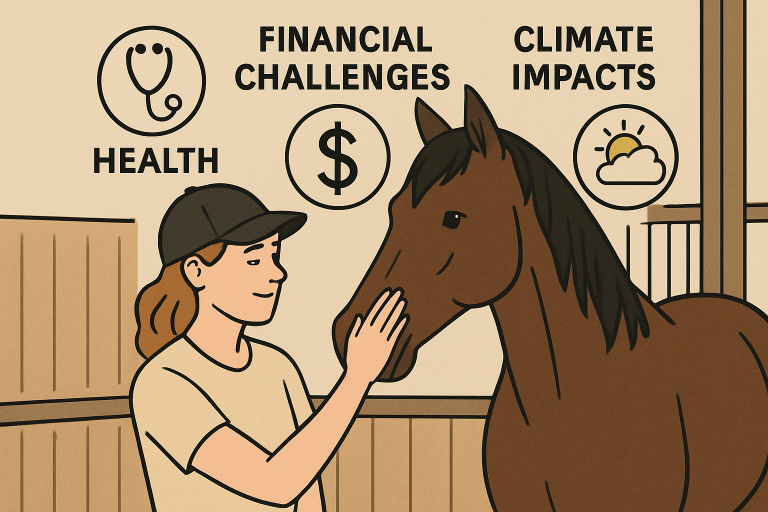
Horses are vulnerable to a variety of health issues, including colic, lameness, respiratory infections, and contagious illnesses. For example, colic remains a primary medical concern among horse owners. Statistics indicate that while the majority of owners would pay up to $5,000 for necessary emergency surgery, the true cost of such procedures can often be significantly higher, leaving owners financially and emotionally strained. Proactive health management is key: regular veterinary check-ups, vaccinations, and a nutritionally balanced diet prevent many issues from arising in the first place. Immediate attention to symptoms is essential to reduce the likelihood of escalation and additional costly intervention. Additionally, preventing infectious diseases such as equine influenza or strangles requires vigilant monitoring and awareness of the risks at all times, particularly when traveling with horses or attending equestrian events. Diligence in following veterinary guidelines and maintaining sanitary environments can prevent many common afflictions from gaining a foothold within a herd.
Financial Challenges and Insurance
The costs associated with caring for a horse extend far beyond the initial purchase price and daily upkeep. Emergency veterinary bills, specialist care, and long-term medication can quickly add up, putting financial pressure on owners. Alarmingly, industry data suggests that only about 14% of horse owners maintain a dedicated emergency fund, while about 80% do not insure their animals. This lack of preparation makes it difficult for owners to make important medical decisions during crises. Establishing an emergency savings account and evaluating insurance options are practical steps owners can take to better manage these risks. Policies such as major medical, mortality, and loss-of-use insurance can make a significant difference when the unexpected occurs. Planning not only protects the owner’s finances but also ensures timely and appropriate care decisions for the horse’s well-being. If you would like more information on equine insurance options, you can consult Stable Cover’s comprehensive resources.
Biosecurity Measures
Attending horse shows, clinics, and community events allows for socialization and training, but also introduces the risk of disease transmission. A notable study revealed that more than 90% of horse owners see only a minor risk of disease at such gatherings. This false sense of security can lead to lax biosecurity practices and outbreaks of contagious illnesses such as equine herpesvirus or strangles. Effective biosecurity practices are simple but powerful. Isolate new arrivals and those showing signs of illness; thoroughly clean and disinfect equipment that comes into contact with different horses; and monitor health closely, especially after events where exposure may have occurred. Even basic steps such as hand washing and changing clothes after handling sick horses can play a major role in halting the spread of pathogens within a barn or at events.
Climate Change Impacts
As environmental patterns shift, horse owners face new challenges. The rise in extreme weather events, from wildfires to floods, directly threatens the safety and wellness of horses. Changes in temperature and precipitation patterns can also increase the prevalence of parasites and vector-borne diseases previously unseen in certain regions. Owners must remain vigilant in adapting their management practices and staying informed about emerging risks.
Developing a comprehensive emergency evacuation plan is critical when facing natural disasters. Updating barn designs to withstand harsher weather, investing in fire-resistant materials, and ensuring access to clean water during droughts or extreme events are all proactive steps. Staying up to date with recommendations from national and state veterinary organizations or agencies like USDA Animal and Plant Health Inspection Service gives owners timely information on threats in their area.
Conclusion
The journey of horse ownership is as rewarding as it is complex. Being proactive about health risks, budgeting for emergencies, prioritizing biosecurity, and staying responsive to climate-related challenges are all part of responsible care. By embracing continued education and advanced planning, horse owners can navigate everyday challenges and emerging risks, ensuring their animals’ safety, security, and long, healthy lives.



Optimizing Server Room Efficiency With Smart Rack System Choices

Top Skills Every Professional Security Guard Needs in Today’s World

Risks Horse Owners Face: Everyday Challenges and Smart Protection

ATFbooru: A Deep Dive into the NSFW Imageboard Phenomenon

MyPascoConnect: Streamlining Access to Education Tools

Exploring Childmud.net: A Comprehensive Guide for Parents and Educators
-
 News10 months ago
ATFbooru: A Deep Dive into the NSFW Imageboard Phenomenon
-
 Education10 months ago
MyPascoConnect: Streamlining Access to Education Tools
-
 Education10 months ago
Exploring Childmud.net: A Comprehensive Guide for Parents and Educators
-

 Blog10 months ago
ArtofZio: A Fusion of Expression, Identity, and Digital Innovation
-

 Tech10 months ago
SEO Experts at Garage2Global: Driving Digital Growth with Precision
-

 News10 months ago
Red Lobster and TGI Fridays Closing: What It Means for Casual Dining in America
-

 Tech10 months ago
Kaliscan: Revolutionizing Security and Surveillance with AI-Driven Intelligence
-

 News10 months ago
150 Celsius to Fahrenheit: A Comprehensive Guide