News
Risks Horse Owners Face: Everyday Challenges and Smart Protection

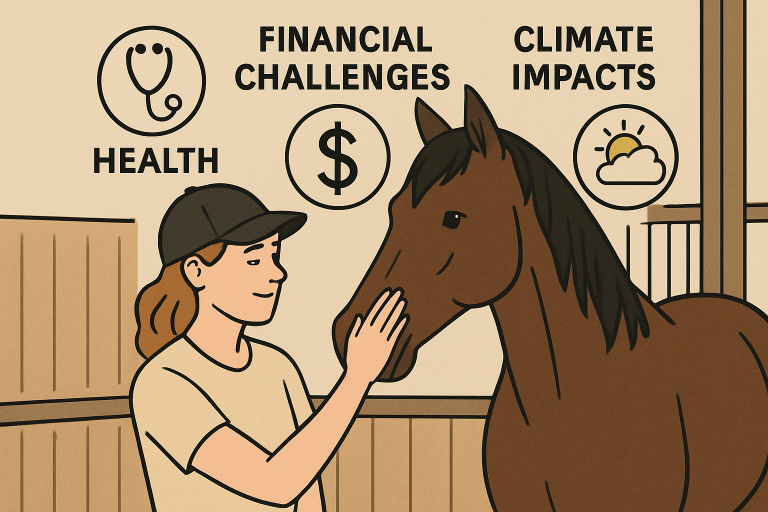
Owning a horse is a deeply rewarding experience that brings joy, companionship, and a sense of accomplishment. Yet it also comes with practical and financial challenges. From unpredictable medical emergencies to rapidly shifting environmental threats, horse owners need to proactively manage a range of risks to keep their equine companions healthy and safe. With the realities of rising costs and new disease pressures, protecting a horse means thinking ahead, financially preparing, and considering specialized protections such as horse loss of use insurance. Awareness and preparedness are the horse owner’s best allies. Navigating health risks, unexpected expenses, and disease-prevention strategies is integral to successful horse care. By understanding these risks and implementing effective strategies, owners put themselves in a strong position to offer their horses a high-quality of life while also protecting their investment and peace of mind.
Health Risks and Disease Prevention
Horses are vulnerable to a variety of health issues, including colic, lameness, respiratory infections, and contagious illnesses. For example, colic remains a primary medical concern among horse owners. Statistics indicate that while the majority of owners would pay up to $5,000 for necessary emergency surgery, the true cost of such procedures can often be significantly higher, leaving owners financially and emotionally strained. Proactive health management is key: regular veterinary check-ups, vaccinations, and a nutritionally balanced diet prevent many issues from arising in the first place. Immediate attention to symptoms is essential to reduce the likelihood of escalation and additional costly intervention. Additionally, preventing infectious diseases such as equine influenza or strangles requires vigilant monitoring and awareness of the risks at all times, particularly when traveling with horses or attending equestrian events. Diligence in following veterinary guidelines and maintaining sanitary environments can prevent many common afflictions from gaining a foothold within a herd.
Financial Challenges and Insurance
The costs associated with caring for a horse extend far beyond the initial purchase price and daily upkeep. Emergency veterinary bills, specialist care, and long-term medication can quickly add up, putting financial pressure on owners. Alarmingly, industry data suggests that only about 14% of horse owners maintain a dedicated emergency fund, while about 80% do not insure their animals. This lack of preparation makes it difficult for owners to make important medical decisions during crises. Establishing an emergency savings account and evaluating insurance options are practical steps owners can take to better manage these risks. Policies such as major medical, mortality, and loss-of-use insurance can make a significant difference when the unexpected occurs. Planning not only protects the owner’s finances but also ensures timely and appropriate care decisions for the horse’s well-being. If you would like more information on equine insurance options, you can consult Stable Cover’s comprehensive resources.

Biosecurity Measures
Attending horse shows, clinics, and community events allows for socialization and training, but also introduces the risk of disease transmission. A notable study revealed that more than 90% of horse owners see only a minor risk of disease at such gatherings. This false sense of security can lead to lax biosecurity practices and outbreaks of contagious illnesses such as equine herpesvirus or strangles. Effective biosecurity practices are simple but powerful. Isolate new arrivals and those showing signs of illness; thoroughly clean and disinfect equipment that comes into contact with different horses; and monitor health closely, especially after events where exposure may have occurred. Even basic steps such as hand washing and changing clothes after handling sick horses can play a major role in halting the spread of pathogens within a barn or at events.
Climate Change Impacts
As environmental patterns shift, horse owners face new challenges. The rise in extreme weather events, from wildfires to floods, directly threatens the safety and wellness of horses. Changes in temperature and precipitation patterns can also increase the prevalence of parasites and vector-borne diseases previously unseen in certain regions. Owners must remain vigilant in adapting their management practices and staying informed about emerging risks.
Developing a comprehensive emergency evacuation plan is critical when facing natural disasters. Updating barn designs to withstand harsher weather, investing in fire-resistant materials, and ensuring access to clean water during droughts or extreme events are all proactive steps. Staying up to date with recommendations from national and state veterinary organizations or agencies like USDA Animal and Plant Health Inspection Service gives owners timely information on threats in their area.
Conclusion
The journey of horse ownership is as rewarding as it is complex. Being proactive about health risks, budgeting for emergencies, prioritizing biosecurity, and staying responsive to climate-related challenges are all part of responsible care. By embracing continued education and advanced planning, horse owners can navigate everyday challenges and emerging risks, ensuring their animals’ safety, security, and long, healthy lives.