News
Top Skills Every Professional Security Guard Needs in Today’s World

Key Takeaways
- Modern security guards require advanced communication skills for reporting, teamwork, and public interaction.
- Technological proficiency with surveillance, access control, and reporting systems is essential.
- Situational awareness and attention to detail enable proactive threat detection.
- Conflict resolution and de-escalation techniques maintain safety and prevent incidents.
- Physical fitness and stamina ensure readiness for emergencies and active duties.
- Legal knowledge and ethical integrity guide appropriate actions and reduce liability.
- Emergency preparedness and first aid equip guards to respond effectively to crises.
- Customer service orientation enhances public perception while maintaining security.
The profession of a security guard has undergone a dramatic change in recent years. Modern threats demand a blend of traditional vigilance and a suite of versatile skills. Whether monitoring a corporate office, a residential complex, or a bustling retail environment, today’s security guards must be far more than just authority figures. The ability to adapt to new technology, communicate clearly, and respond to emergencies is more essential than ever. If you are considering a trusted partner for on-site protection, look no further than armed security guard services Detroit.
Effective security services help deter crime and maintain order in a variety of settings. The responsibilities of today’s professionals extend beyond just observation. Security guards now collaborate closely with law enforcement, property managers, and business owners, playing an integral role in public safety and customer relations.
With increasing workplace pressures and evolving threat landscapes, the skill set required for security personnel continues to expand. Employers want guards who are not just physically capable but also possess sound judgment, critical thinking, and ethical integrity. Mastery of these core competencies sets exceptional security professionals apart from the rest.
This article explores the top skills that every modern security guard needs to develop and refine to succeed in today’s demanding environments, ensuring they are prepared to handle a wide array of situations.
Advanced Communication Skills
Clear communication remains a fundamental requirement for security professionals. Oral and written communication skills allow guards to accurately report incidents, share critical details, and work seamlessly with colleagues or emergency responders. Active listening is crucial, allowing personnel to quickly comprehend instructions and client needs. Guards must also be skilled at interpreting non-verbal cues, helping them identify potential threats or tensions before they escalate. These attributes form the backbone of effective teamwork and public interaction, especially when delivering instructions in emergencies or diffusing tense situations.

Technological Proficiency
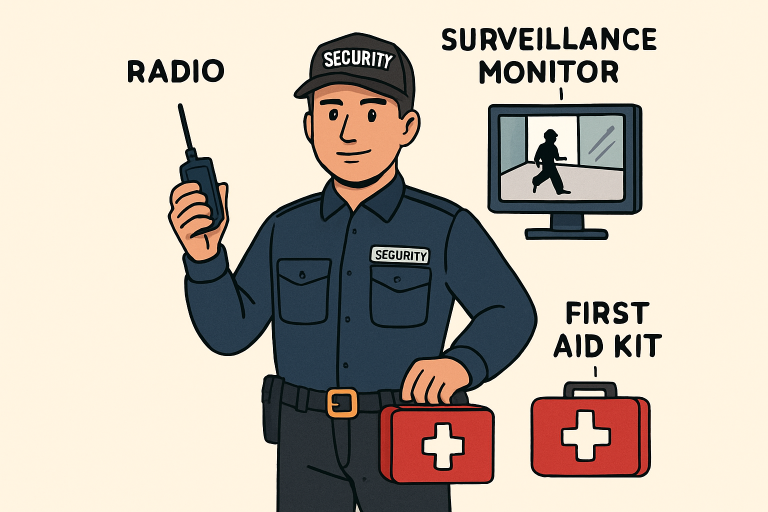
As physical security merges with digital oversight, proficiency in technology is a must. Security guards now need to operate and troubleshoot sophisticated surveillance cameras, electronic access control systems, and alarm systems. Efficient use of these technologies improves threat detection and response times. Staying current with new advancements through ongoing training ensures guards deliver optimal protection and adaptability, regardless of the latest innovations.
In addition to standard security hardware, familiarity with mobile communications, body-worn cameras, and automated incident reporting software can dramatically enhance performance and accountability. This focus on technology reflects a broader trend in the security industry, where digital tools are increasingly integral in both prevention and investigation efforts.
Situational Awareness and Attention to Detail
Successful security professionals possess a keen awareness of their environment and maintain vigilance at all times. This means not only noticing suspicious behavior but also understanding the normal rhythms of the premises assigned to them. Strong attention to detail allows guards to spot violations or risks quickly, from unauthorized entries to misplaced objects that may indicate a potential threat. Ongoing training involving real-world scenarios can enhance both observation and judgment skills, making security guards more proactive and resilient.
Conflict Resolution and De-escalation Techniques
Confrontations are an inevitable part of a security guard’s day-to-day activities, especially in high-traffic commercial settings. The ability to recognize early signs of conflict and use de-escalation techniques can prevent incidents from escalating into emergencies. Techniques such as maintaining a calm tone, active listening, and using non-threatening body language are invaluable for quickly and safely diffusing tension. Well-trained guards help maintain a peaceful environment, allowing businesses and public spaces to function smoothly even during stressful situations.
Physical Fitness and Stamina
A high degree of physical fitness is essential for anyone working in security. Guard duties can include long periods of standing, walking, or patrolling, intervening in physical altercations, or responding quickly to alarms. A physically fit guard is less prone to injury and better able to handle emergencies or detain suspects if necessary. Employers expect their staff to undertake regular physical training to ensure ongoing readiness and safety.
Legal Knowledge and Ethical Integrity
Understanding the legal frameworks governing security operations is critical. Guards must know the boundaries of their authority, relevant local laws, and privacy regulations, and understand the appropriate use of force. Ethics play an equally important role, requiring guards to act with integrity and impartiality in every scenario. Ongoing legal training helps professionals perform their duties without violating clients’ or the public’s rights, thereby preventing liabilities for both themselves and their employers.
Emergency Preparedness and First Aid
Security guards are often the first to arrive on the scene during emergencies. They must be well-versed in emergency protocols, including evacuation procedures, fire response, and lockdown drills. Basic first aid knowledge, such as CPR and the correct use of AED devices, is required to stabilize individuals until specialized help arrives. Frequent training sessions and participation in emergency simulations help keep skills and responses sharp.
Customer Service Orientation
In many environments, security guards are the first representatives visitors interact with. Providing excellent customer service, balancing warmth and authority, can significantly enhance the perception of an organization’s security posture. Skills in conflict prevention, empathy, and courteous communication contribute to a more positive user experience and reduce the likelihood of misunderstandings or escalations.
Final Thoughts
Security today is about so much more than standing watch. To succeed, professional security guards must cultivate an ever-evolving combination of technical, physical, and interpersonal skills. Mastering these abilities not only strengthens the level of protection provided but also adds substantial value to clients and communities alike. Investing in continuous learning and professional development remains the cornerstone of an effective security workforce in our current landscape.